The Truth About Expiration Dates: What They Really Mean

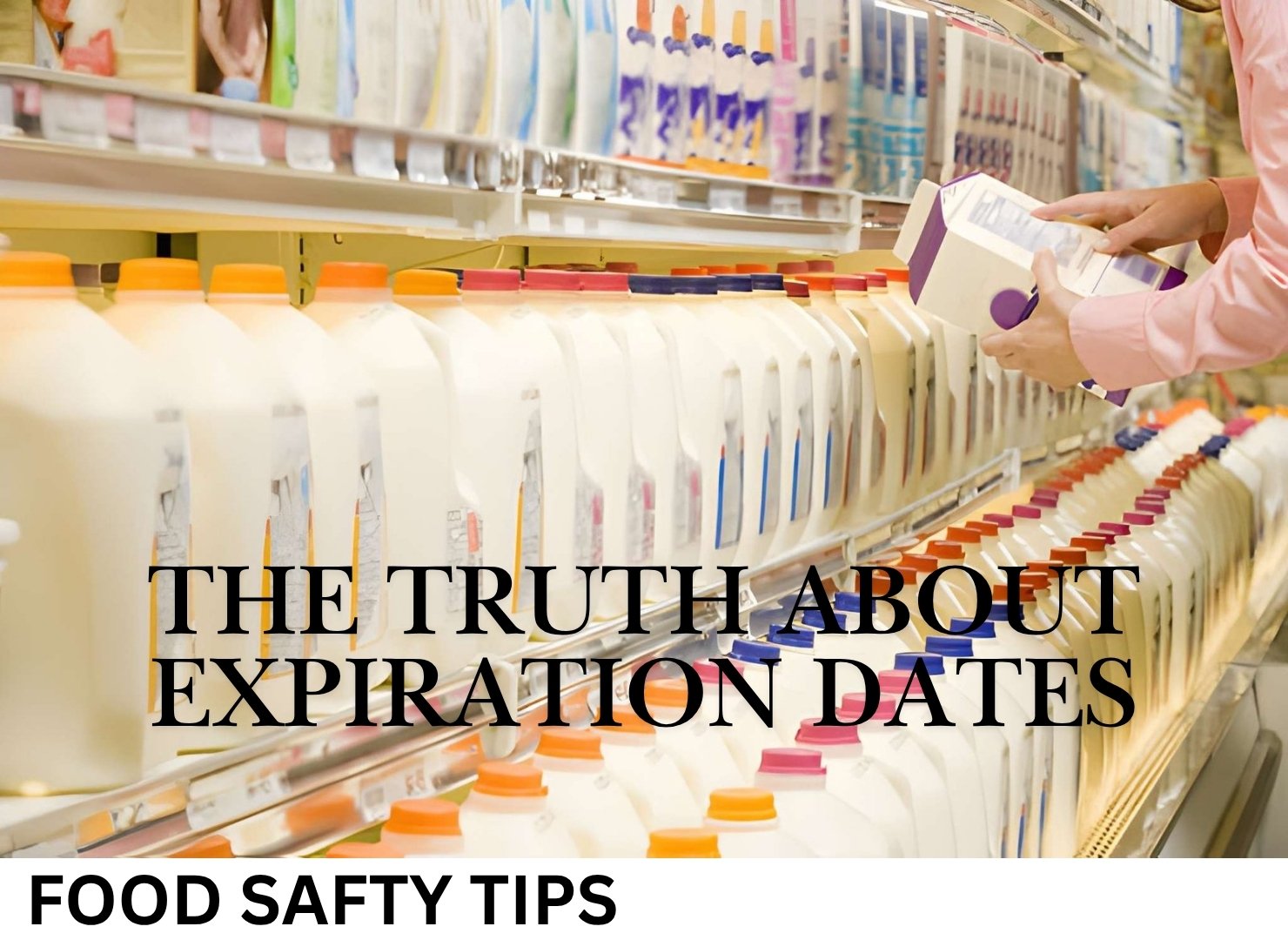
Almost everyone has stood in front of an open refrigerator, staring down an unopened tub of yogurt stamped with a date that passed three days ago. Do you toss it straight into the trash, or peel back the foil lid and take a chance?
Every year, millions of pounds of perfectly good food are discarded simply because consumers misinterpret the numbers stamped on grocery packaging. In fact, most date stamps printed on consumer foods have nothing to do with food safety—they are manufacturer estimates for peak sensory quality.
Understanding how to decode product date codes allows you to cut your household grocery waste, save money, and keep your kitchen safe from genuine health hazards.
Decoding Food Date Labels: Quality vs. Safety
Except for infant formula, food dating labels are not federally standardized safety deadlines in many regions. Knowing what each term signifies is key to making informed decisions in your kitchen:
| Label Term | What It Actually Means | Is It a Safety Deadline? |
| “Best If Used By / Before” | Indicates when a product will retain its peak flavor, crispness, and nutritional potency. | No. Quality indicator only. |
| “Sell By” | Tells the grocery retailer how long to display the product on inventory shelves. | No. For store stock management. |
| “Use By” | The last date recommended by the manufacturer to consume the item at peak quality. | Caution. Can indicate safety limits for highly perishable items. |
| “Expires On / EXP” | Found on medical goods, baby formula, and strictly regulated perishables. | Yes. Discard immediately past this date. |
Foods That Are Generally Safe Past the Stamped Date
Dry goods, canned products, and shelf-stable staples can remain completely safe to consume months or even years beyond the stamped date, provided the packaging is intact and stored correctly.
-
Canned Goods: High-acid foods (canned tomatoes, pineapple) last 12–18 months past their date, while low-acid canned goods (beans, corn, tuna) stay safe for 2 to 5 years. Always check that the can has no dents, swelling, or rust.
-
Dry Pasta, Rice, and Grains: Unopened boxes of pasta and white rice stored in airtight containers away from humidity remain safe almost indefinitely.
-
Hard Cheeses (Cheddar, Parmesan): Because of their low moisture content, hard cheeses resist rapid spoilage. If a spot of surface mold appears on a hard block of cheese, cut away at least an inch around and below the mold spot; the remaining block is safe to consume.
-
Commercial Yogurt and Hard Dairy: Thanks to active bacterial cultures and high acidity, unopened pasteurized yogurt can often be enjoyed for 1 to 2 weeks past its “Best Before” date if kept refrigerated below 40°F (4°C).
Perishable Foods That Demand Strict Caution
Certain foods spoil into breeding grounds for dangerous foodborne pathogens like Listeria monocytogenes or Salmonella, without always showing obvious signs of spoilage like foul odors or fuzz.
Always handle these items with strict timeline discipline:
-
Deli Meats and Cold Cuts: Once opened, consume sliced deli meats within 3 to 5 days, regardless of the date printed on the original wrapper.
-
Raw Poultry and Ground Meats: Fresh ground beef, turkey, and raw chicken breasts should be cooked or transferred to the freezer within 1 to 2 days of purchase.
-
Unpasteurized Dairy and Raw Juices: Raw products lack the heat-pasteurization step that destroys harmful microbes; discard them strictly on or before their expiration date.
-
Prepared Ready-to-Eat Salads: Packaged chicken salad, egg salad, or tuna salad from the deli counter should never sit past 3 to 4 days in the refrigerator.
Practical Storage Habits to Extend Shelf Life
Proper food storage directly slows down bacterial reproduction and enzymatic degradation.
-
Set Your Fridge to the Sweet Spot: Maintain your refrigerator between 35°F and 38°F (1.6°C to 3.3°C). Storing food at 42°F (5.5°C) cuts shelf life in half compared to storing it at 37°F.
-
Avoid Door Storage for Dairy: Refrigerator door shelves fluctuate in temperature every time the door swings open. Store fresh milk, eggs, and raw proteins on middle and bottom interior shelves where temperatures remain coldest and most stable.
-
Use Your Freezer Promptly: The freezer stops bacterial growth in its tracks. If you know you cannot cook fresh meat or bread before its date, freeze it immediately in a freezer-safe, airtight wrap.
Date stamps serve as helpful quality guidelines, but they should never replace common sense. When assessing food, check for broken vacuum seals, sour smells, off-colors, or slimy textures—and remember the cardinal kitchen safety rule: when in doubt, throw it out.

Food safety researcher and editorial contributor specializing in microbial pathogen control, commercial hygiene compliance, and regulatory audits.
Related Regulatory Guidance

Top 10 Culinary Trends and Innovations in 2026
The culinary world is evolving rapidly, shaped by consumer preferences, technology, and a growing awareness of sustainability and…
2026 Food Safety Regulations: What Businesses Must Know
Food safety has always been a cornerstone of consumer trust, but in 2026 the rules are changing faster…
Deprecated: File Theme without comments.php is deprecated since version 3.0.0 with no alternative available. Please include a comments.php template in your theme. in /home/rioma/domains/foodsafetytips.com/public_html/wp-includes/functions.php on line 6260
Leave a Reply