Food Safety in Moroccan Kitchens: Local Practices You Should Know

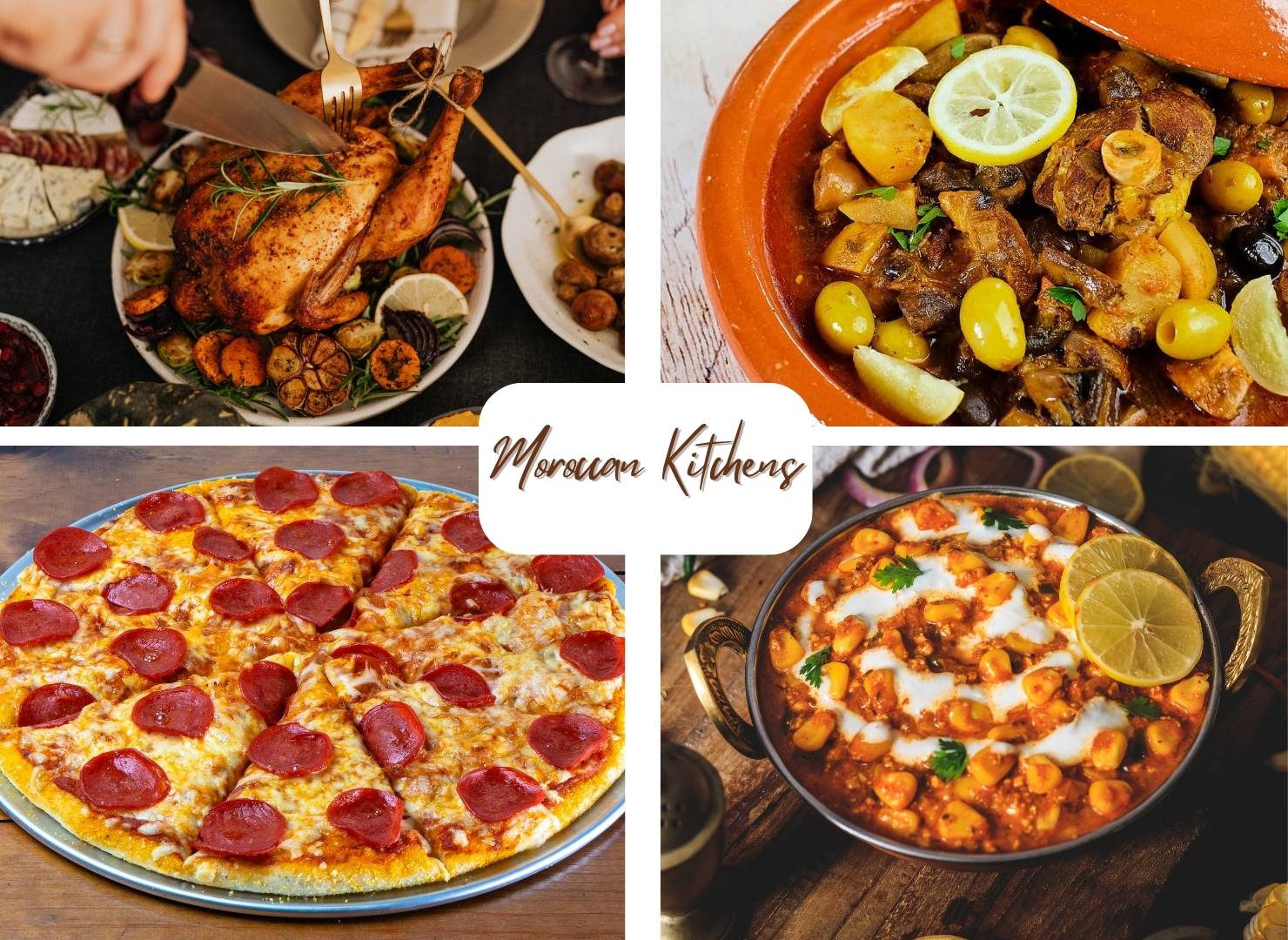
Moroccan cuisine is celebrated worldwide for its depth of flavor—slow-simmered tagines perfumed with saffron and ginger, towering mounds of fluffy steamed couscous, and the lively street stalls of Marrakech and Casablanca. At the heart of this culinary heritage lies a deep tradition of scratch cooking using fresh, seasonal, and market-bought ingredients.
However, traditional methods and warm Mediterranean climates bring unique food hygiene considerations. Blending cherished culinary techniques with modern food safety standards ensures that every feast is as safe as it is flavorful.
1. Safe Handling of Lamb, Beef, and Poultry
In Moroccan kitchens, meat is central to signature stews and celebratory occasions like Eid al-Adha. Fresh cuts are often purchased directly from local butcher shops rather than pre-packaged supermarket coolers.
-
Cold Chain Discipline: Transport fresh meat home immediately in an insulated bag and refrigerate it at or below 40°F (4°C) within an hour of purchase.
-
The Washing Dilemma: A common traditional practice is rinsing raw chicken with water, lemon juice, and coarse salt. Modern food safety research confirms that running water over raw poultry spatters bacteria up to three feet across countertops and dishes. Instead, pat poultry with a paper towel and let thorough cooking neutralize bacteria.
-
Tagine Simmering: The iconic conical earthenware tagine circulates condensation, slowly braising tough cuts of lamb and beef. Ensure the internal meat temperature reaches at least 145°F (63°C) for whole cuts and 165°F (74°C) for poultry dishes before serving.
2. Hygiene and Technique in Couscous Preparation
Authentic couscous is never merely soaked in boiling water; it is traditionally rolled by hand and steamed two to three times over a simmering broth in a perforated couscoussier pot.
| Step in Couscous Prep | Potential Risk | Best Safety Practice |
| Hand-Rubbing Semolina | Transfer of skin bacteria | Scrub hands thoroughly for 20 seconds before working grains in the large wooden gsa’a dish. |
| Cooling Between Steamings | Spore formation in warm, damp grains | Spread couscous out thinly to work it, and avoid letting damp grains sit at room temperature for prolonged periods. |
| Leftover Storage | Proliferation of Bacillus cereus bacteria | Refrigerate leftover cooked couscous within 2 hours in a shallow, airtight container. Reheat thoroughly to steaming hot before eating. |
3. Street Food Smarts: What to Look For
Moroccan street food offers unforgettable tastes—from freshly griddled msemmen flatbreads and skewers of seasoned kefta to simmering bowls of bessara (fava bean soup). To enjoy the street food culture safely, look for vendors that demonstrate active hygiene habits:
-
High Turnover Stalls: Choose busy stalls popular with locals. Rapid turnover means ingredients spend minimal time sitting in warm ambient conditions.
-
Cooked-to-Order Skewers: Ensure kefta and lamb skewers are grilled fresh over hot coals until sizzling and well-done throughout, rather than sitting lukewarm on prep trays.
-
Juice Cleanliness: When ordering fresh-squeezed orange or pomegranate juice, verify that the fruit press is washed between uses and that juices are prepared in fresh, clean glassware or disposable cups.
4. Proper Storage for Spices, Grains, and Preserves
Spices such as ground cumin, sweet paprika, turmeric, and complex blends like Ras el Hanout form the backbone of Moroccan pantries. High ambient heat and humidity can cause these dry staples to degrade quickly.
-
Protect from Light and Heat: Never store your spice rack directly beside or above the stovetop steam. Store dried spices in airtight glass jars tucked inside a cool, dark cupboard to prevent essential oil oxidation and mold contamination.
-
Preserved Lemons (L’hamd Marakad): Traditional lacto-fermented lemons rely on a high salt concentration and citric acid to inhibit pathogens. Always submerge the lemons completely in brine, seal the jar tightly, and use a clean, dry fork rather than bare fingers to retrieve wedges.
-
Olive Storage: Store seasoned table olives in a clean container with sufficient brine or oil coverage and keep them chilled once the container is opened.
5. Safe Tea Preparation: The Art of the Berrad
Moroccan mint tea (Atay) is the quintessential symbol of hospitality, brewed with gunpowder green tea pearls, fresh spearmint, and sugar inside an ornate metal berrad (teapot).
-
The Initial Rinse: Traditional tea masters pour boiling water over the tea pearls, swirl, and discard the second bitter rinse while preserving the aromatic “spirit” (er-rouh). This boiling rinse sanitizes the dried tea leaves.
-
Washing Fresh Mint: Fresh herbs like spearmint (naana) and seasonal additions like wormwood (sheeba) grow low to the soil. Submerge and swish the herbs thoroughly in cold running water to remove dirt, fine sand, and residual pesticides before steeping.
-
Scalding Hot Serving: Pouring tea from a high angle aerates the beverage and forms the customary crown of foam (regga). Because the tea is steeped with freshly boiled water, it naturally eliminates common waterborne contaminants.
Honoring traditional Moroccan cooking does not require abandoning modern kitchen safety. By applying proper refrigeration, maintaining strict hand hygiene, and ensuring adequate cooking temperatures, you can preserve the rich heritage of North African cuisine while keeping your table safe for family and guests.

Food safety researcher and editorial contributor specializing in microbial pathogen control, commercial hygiene compliance, and regulatory audits.
Deprecated: File Theme without comments.php is deprecated since version 3.0.0 with no alternative available. Please include a comments.php template in your theme. in /home/rioma/domains/foodsafetytips.com/public_html/wp-includes/functions.php on line 6260
Leave a Reply