How to Defrost Food Safely: A Complete Guide to Preventing Food Poisoning

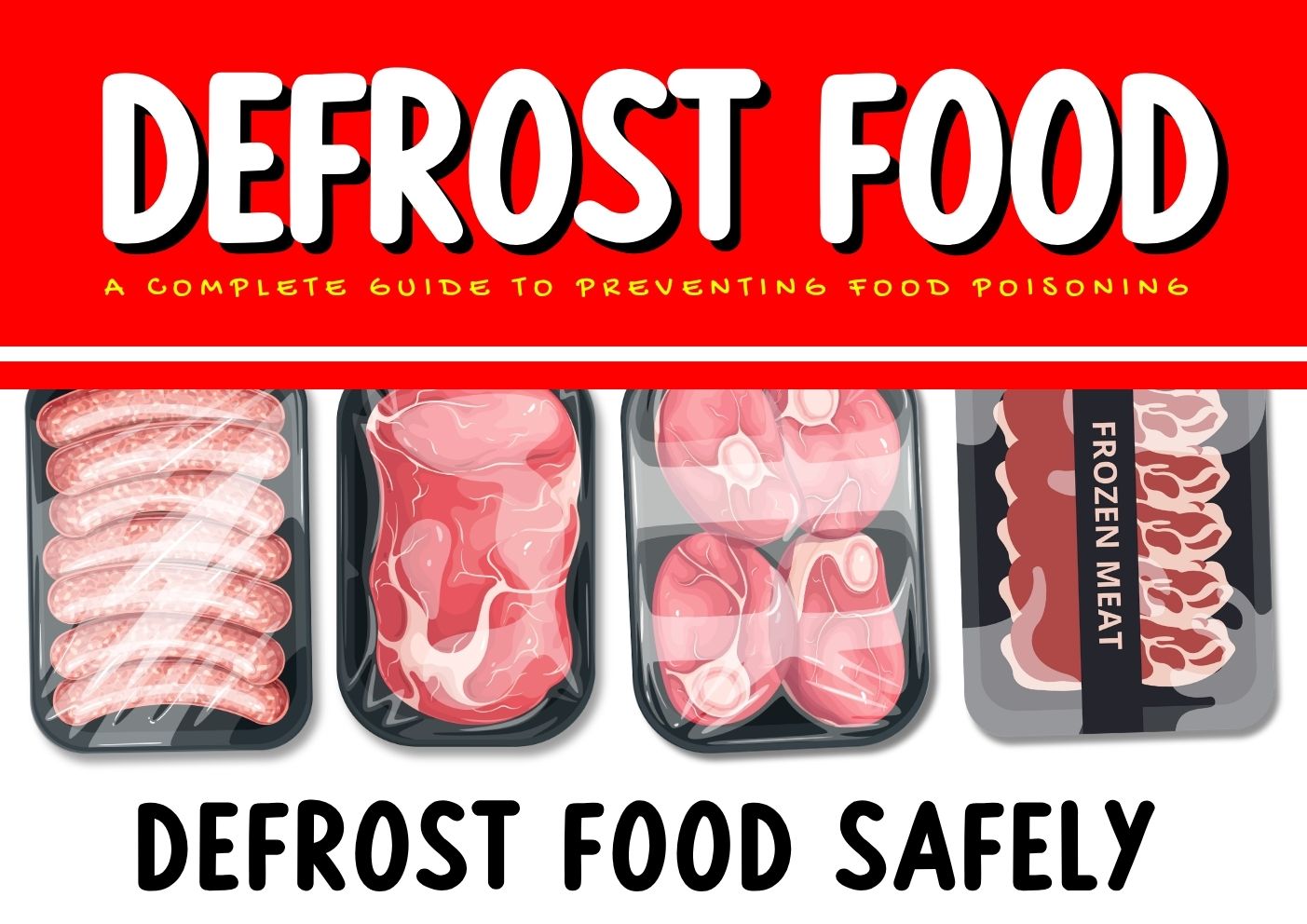
How you thaw frozen meat, fish, or poultry matters way more than most people realize. Cut corners here, and those dormant bacteria from the freezer wake up fast, turning your dinner into a prime breeding ground for food poisoning. Worse yet, throwing a half-frozen chicken breast straight into a skillet usually sears the outside while leaving icy, pathogen-friendly spots in the middle. Taking a few simple precautions keeps everyone at your table safe especially kids, grandparents, expectant mothers, or anyone with a weaker immune system.
Ground Rules Before You Start
- Ditch the counter thaw: Leaving raw meat out at room temperature puts the outer layer straight into the bacterial sweet spot for hours. Just don’t do it.
- Check the wrapper: Give the packaging a quick once-over for rips or tears so raw, messy juices don’t trail across your counters.
- Scrub up: Hot water, soap, 20 seconds. Wash your hands before touching anything, and wash them again right after. Sanitize your cutting boards, utensils, and sink while you’re at it.
- Thinking about refreezing? Unless you cook the food all the way through first, hold off. The only exception is if the raw meat is still partially slushy and packed with visible ice crystals.
The 3 Safe Ways to Defrost
1. The Refrigerator Method (Slowest, but Foolproof)
If you have time on your side, this is the gold standard. It keeps food locked at a steady, chill temperature from start to finish.
Place the frozen package inside a lip-rimmed plate or container—drips happen—and stick it on the bottom shelf. That way, if any juices leak out, they won’t contaminate ready-to-eat items below.
Timeline: Plan on roughly 24 hours for every 5 pounds (2.5 kg) of a whole bird. Smaller cuts, ground beef, or fish fillets usually thaw out completely overnight. Cook everything promptly once it softens.
2. The Cold Water Bath (For When You’re in a Pinch)
Need dinner ready tonight? Cold tap water speeds things up dramatically, but pay attention: never use warm or hot water.
- The Dunk: Seal the food inside a tight, leak-proof plastic bag so you don’t end up with waterlogged meat. Submerge the bag in a deep bowl of cold tap water (or a clean sink), swapping the water out every 30 minutes to make sure it stays cold.
- The Gentle Stream: Alternatively, leave that sealed bag under a constant, slow trickling stream of cold tap water.
Fire up the stove as soon as the food thaws out—don’t let it sit around.
3. The Microwave Sprint (Ultra-Fast)
Great for small portions, provided you intend to cook the food the absolute second it finishes thawing.
Strip off all non-safe packaging—styrofoam trays, plastic wrap, butcher paper—and transfer the food to a microwave-safe dish. Cover it loosely to let steam escape. Use the “Defrost” setting or dial the power down to 30%, keeping a close eye on things so the outer edges don’t start cooking while the core stays rock-hard.
Crucial rule: Get it into the pan or oven immediately afterward. Microwaves heat unevenly, creating warm pockets where bacteria love to multiply.
Handling Leftovers
Already-cooked meals need just as much care:
- Only defrost frozen leftovers in the fridge or the microwave. Never leave them on the counter.
- Reheat the food until the internal temperature hits at least 165°F (74°C).
- Eat it right away. Pitch whatever you don’t finish, and skip the refreezing entirely.

Food safety researcher and editorial contributor specializing in microbial pathogen control, commercial hygiene compliance, and regulatory audits.
Related Regulatory Guidance
Safe Food Storage: A Complete Guide to Protecting Your Kitchen
Eating a nutritious and balanced diet is one of the best ways to protect your health. But even…