Safe Food Storage: A Complete Guide to Protecting Your Kitchen

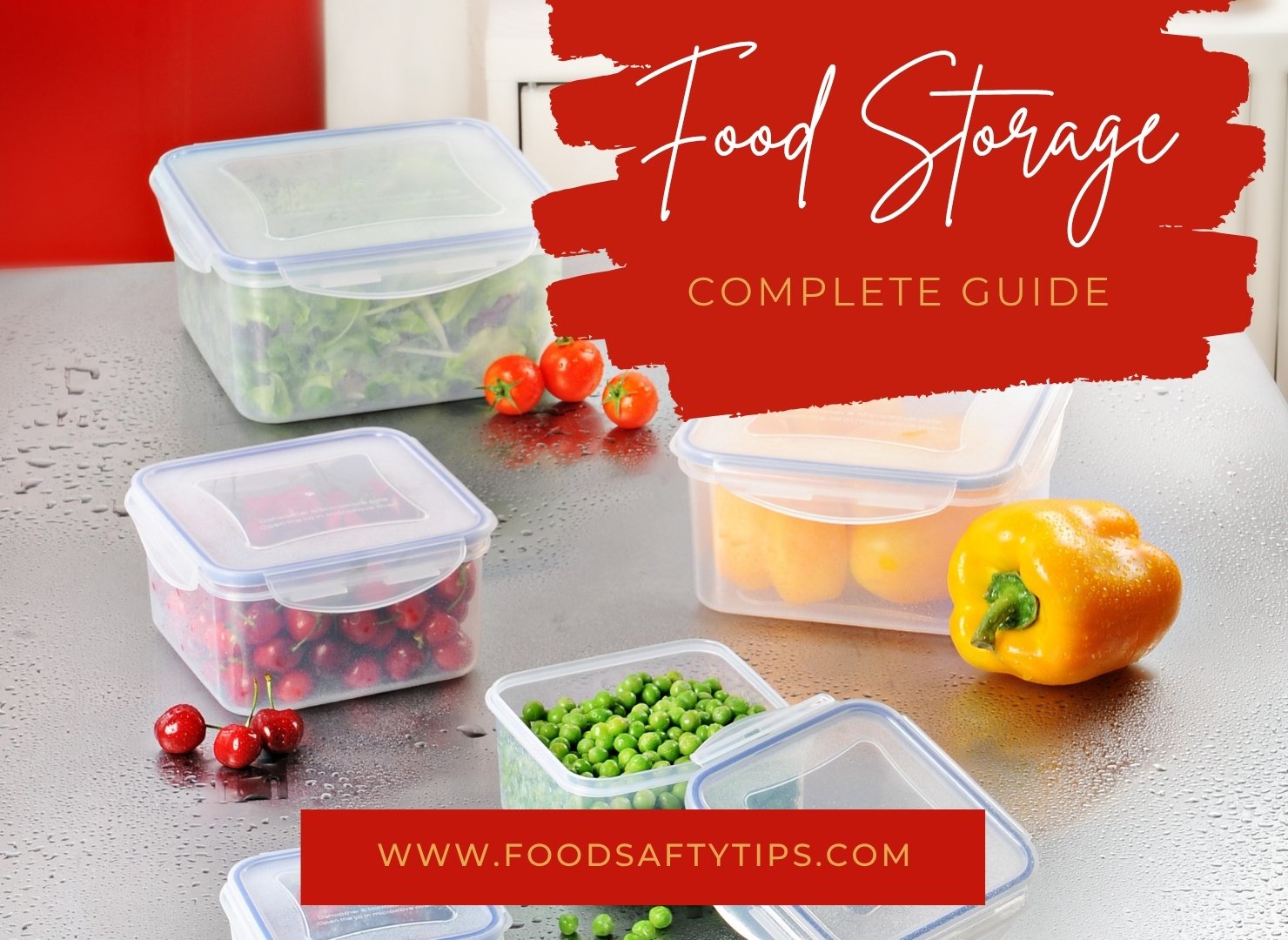
Eating a nutritious and balanced diet is one of the best ways to protect your health. But even the healthiest foods can become dangerous if they are not stored properly. Raw foods and their juices may contain bacteria, viruses, or parasites that cause foodborne illness. Every year, thousands of families experience food poisoning simply because food was not handled or stored correctly. At FoodSafetyTips.com, we believe safe storage is the foundation of safe eating.
Health Risks of Improper Storage
Foodborne illness, often called “food poisoning,” happens when contaminated food is consumed. Symptoms can include vomiting, nausea, stomach cramps, diarrhea, headaches, constipation, or persistent fever. These symptoms may appear hours or even days after eating unsafe food. While most people recover, vulnerable groups such as pregnant women, young children, older adults, and those with weakened immune systems face greater risks. If you suspect food poisoning, seek medical help immediately.
Essential Safety Tips
Proper storage is one of the easiest ways to protect your family. Remember:
- You cannot tell if food is unsafe by smell or taste.
- When in doubt, throw it out.
- Safe storage prevents bacteria from multiplying and keeps food fresh longer.
Smart Shopping Practices
Food safety begins at the grocery store. Follow these tips:
- Buy cold or frozen items at the end of your trip.
- Keep raw meat, poultry, and seafood separate from produce.
- Inspect fruits and vegetables carefully — avoid bruised or damaged items.
- Use reusable bags wisely: dedicate one for raw meat and label it clearly.
- Foods past their “best before” date can sometimes be eaten, but only if stored properly and consumed quickly.
Chilling and Avoiding the Danger Zone
Bacteria grow fastest between 4°C (40°F) and 60°C (140°F). Keep food out of this “danger zone” by following these steps:
- Refrigerate or freeze meat, poultry, and seafood immediately after shopping.
- Store pre‑cut or ready‑to‑eat produce in the fridge.
- Set your fridge at 4°C (40°F) or lower, and your freezer at -18°C (0°F) or lower.
- Place raw meat in sealed containers on the bottom shelf to prevent juices from dripping onto other foods.
Fridge and Freezer Storage Guide
Here’s how long common foods can safely last. Refrigeration times are for safety, while freezing times are for quality.
| Food | Refrigerator (≤4°C) | Freezer (≤-18°C) |
|---|---|---|
| Beef (fresh) | 2–4 days | 10–12 months |
| Pork | 2–4 days | 8–12 months |
| Lamb | 2–4 days | 8–12 months |
| Veal | 3–4 days | 8–12 months |
| Ground meat | 1–2 days | 2–3 months |
| Chicken/Turkey (whole) | 2–3 days | 1 year |
| Chicken/Turkey (pieces) | 2–3 days | 6 months |
| Lean fish (cod, flounder) | 3–4 days | 6 months |
| Fatty fish (salmon) | 3–4 days | 2 months |
| Shellfish (clams, crab, lobster) | 12–24 hours | 2–4 months |
| Cooked ham | 3–4 days | 2–3 months |
| Bacon | 1 week | 1 month |
| Hot dogs (opened) | 1 week | 1–2 months |
| Lunch meat (opened) | 3–5 days | 1–2 months |
| Leftovers (cooked meat, stews) | 3–4 days | 2–3 months |
| Soups | 2–3 days | 4 months |
| Eggs (fresh in shell) | 3–4 weeks | Don’t freeze |
| Yogurt (opened) | 3 days | Don’t freeze |
| Hard cheese | 10 months | 1 year |
| Butter (salted, unopened) | 8 weeks | 1 year |
| Vegetables (carrots, celery) | 2 weeks | 10–12 months |
| Leaf lettuce | 3–7 days | Don’t freeze |
Cleaning: The Final Step in Food Safety
Storage alone isn’t enough — cleaning prevents cross‑contamination and keeps bacteria from spreading in your kitchen:
- Wash hands with soap and warm water for at least 20 seconds before and after handling food.
- Use separate cutting boards for produce and raw meat.
- Replace dishcloths daily; avoid sponges, which trap bacteria.
- Sanitize countertops and utensils with a kitchen sanitizer or a bleach solution (5 ml bleach to 750 ml water).

Food safety researcher and editorial contributor specializing in microbial pathogen control, commercial hygiene compliance, and regulatory audits.
Related Regulatory Guidance
How to Defrost Food Safely: A Complete Guide to Preventing Food Poisoning
How you thaw frozen meat, fish, or poultry matters way more than most people realize. Cut corners here,…