The Halal Burger: An Ethical and Flavorful Delight?

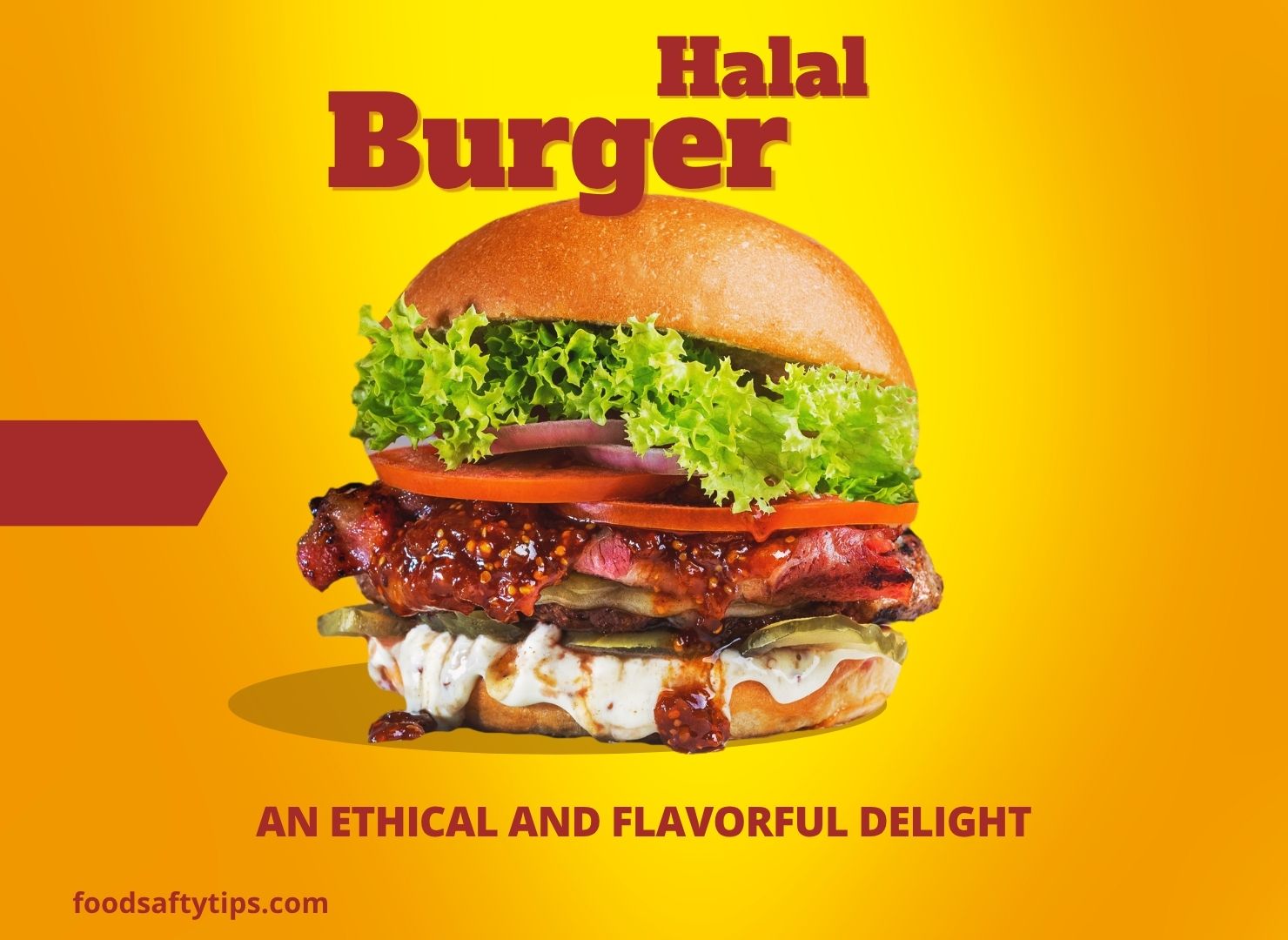
Far from being just another dish in the street food universe, the halal burger has become the symbol of indulgence that rhymes with ethics. Now, lovers of authentic flavors no longer have to choose between satisfying their taste buds and aligning with their convictions.
This article dives into the heart of this culinary encounter where halal tradition finds its place between two slices of bread. Discover how restaurants strive to respect rigorous halal certification standards, thus offering a reassuring and highly flavorful culinary experience.
Prepare to explore a world where every bite of burger is an ethical journey, where the quality and origin of ingredients are scrutinized with the utmost attention. The halal burger is no longer an alternative but a primary choice for many, combining taste diversity and respect for principles.
Join us in this halal culinary exploration and shed light on the question: is the halal burger the new standard for ethical and delectable fast food?
What defines a burger as halal?
The ingredients used: a rigorous selection
Creating a halal burger begins with the meticulous choice of ingredients. Every component, from the meat to the seasonings, must respect the precepts of Islamic dietary law. It is therefore imperative that the meat comes from an animal slaughtered according to halal rites, meaning a qualified Muslim practitioner pronounced the blessed formula at the time of slaughter while facing Mecca, ensuring precise and swift slaughter to minimize the animal’s suffering.
Furthermore, the meat must be free from any contamination by non-halal products or alcohol during preparation or cooking. This way, the integrity of burgers is preserved, ensuring customers a purely halal product. Sauces and condiments must also be verified to ensure they contain no non-halal animal products or alcohol.
Food preparation: specific practices to respect
Beyond ingredients, the way the burger is prepared plays a crucial role. Kitchen utensils, work surfaces, and appliances must be regularly cleaned to avoid cross-contamination with non-halal foods. Ideally, a kitchen space dedicated to halal products ensures better compliance.
Moreover, staff responsible for preparing halal burgers must be aware of the rules to follow, or even specifically trained in halal food principles. A halal burger remains so only if the production chain, from ingredient delivery to customer service, is intact and flawless regarding halal standards.
Halal certification: a guarantee of trust
A determining factor in identifying a burger as halal is certification. Halal certifications are awarded by competent authorities who verify that products and their preparation process respect halal precepts. Possessing such certification offers peace of mind for consumers concerned with respecting their faith.
However, regulation and certificate issuance vary from country to country, hence the importance of researching the specific criteria of the certifying body. The halal label guarantees not only that the burger meets religious requirements but also that it respects ethical, quality, and hygiene standards.
Ensuring compliance throughout the production chain
The compliance of a halal burger is not just a matter of ingredients or certification. It’s a continuous process that extends from supply sources to the consumer’s plate. Ingredient traceability is therefore essential so that at each stage, respect for halal conditions can be verified and maintained.
Ultimately, determining whether a burger is halal involves constant vigilance and collaboration from all actors in the food chain, from supplier to restaurateur. By choosing a halal burger, the consumer expresses not only a dietary necessity but also a life ethic consistent with their principles.
The ethical impact of halal meat consumption
The fast-food world has long been synonymous with quick and affordable pleasure. Among its most popular offerings are burgers, a universal dish loved by a great diversity of cultures and dietary regimens. Among these regimens, the one linked to Islamic tradition, called halal, raises discussions around ethics and responsible consumption.
How does halal meat consumption in burgers fit into this ethical debate? The answer requires an in-depth exploration of halal slaughter practices, animal farming, and the emergence of new alternatives like laboratory-cultivated meat.
Halal slaughter: between traditions and controversies
In respect of Islamic law, halal slaughter requires that the animal be healthy, conscious at the time of slaughter, and that the operator pronounce a blessing. This practice is part of a framework respectful of animal life where suffering must be minimized.
However, it is the subject of controversies, notably around animal welfare at the time of slaughter. The debates involve several dimensions, including the question of whether stunning before slaughter could be considered without contradicting halal principles.
Traceability and animal welfare
Ethical consumption is not limited to the slaughter method; it also encompasses animal farming and their welfare throughout their lives. Meat is all the more ethical when the animal has been respected and treated with dignity.
Halal meat consumers often seek guarantee that animals have been raised in good conditions, with sufficient space to move, healthy food, and a stress-free environment. Ensuring traceability from farming to the finished product constitutes a pillar in the ethical choice of consumers concerned with halal precepts.
Food innovation: laboratory meat
In the United States, an innovation could well change the game regarding meat consumption ethics: laboratory-cultivated meat. This promising technology allows producing meat from animal cells without slaughter.
For halal consumers, this alternative offers an interesting field of exploration, as it could satisfy both ethical requirements and those of Islamic law, provided the cultivation process complies with halal principles.
Consuming halal burgers: a responsible choice
Opting for a halal burger goes well beyond the simple act of eating; it’s a choice that engages the consumer in a responsible approach. Ensuring that meat comes from well-treated animals, that slaughter is done with respect for animal welfare, and that products come from an ethically conscious production chain, is part of this responsibility.
Burgers containing quality halal meat are the expression of consumption that values tradition, respect for Islamic law, and attention to detail in the treatment given to animals.
The key ingredients of a flavorful halal burger
Selecting certified halal meat
To begin, the central element of a flavorful halal burger is undoubtedly the meat. It is essential to choose certified halal meat whose slaughter and preparation process scrupulously respects Islamic directives. Opt for first-quality beef or poultry from farms that ensure ethical treatment of animals. Meat freshness is also a quality guarantee, directly influencing the burger’s flavor and juiciness.
Soft and fresh buns
Buns are much more than simple supports. They must be fresh and soft, with a slight crispness on the surface. Some prefer slightly brioche buns for their softness, while others opt for sesame seed buns for their texture and delicate taste. The essential thing is to ensure the buns contain no questionable ingredients and comply with halal standards.
Varied and halal accompaniments
Beyond meat, a burger’s excellence relies on the quality and variety of accompaniments. Vegetables must be fresh and crunchy: think about incorporating crispy lettuce, ripe tomato slices, and finely sliced onions. For a gourmet touch, melting halal cheese slices will enhance flavors. Don’t forget condiments, like homemade halal mayonnaise or sauce, which will harmoniously bind all burger components.
Personalized seasonings and marinades
A halal burger wouldn’t be complete without adding seasonings and marinades that awaken the palate. Salt, pepper, oriental spices, fresh herbs, or marinades with spicy notes and sweet nuances: the choice depends on your personal preferences, provided they are halal. These small touches make each bite memorable and specific to your own halal burger recipe.
Perfect cooking
Cooking is the step that will reveal all your burger’s flavors. It must be mastered, depending on whether you prefer your meat rare, medium, or well-done. Ensure the grill is clean and hasn’t been used to prepare non-halal foods, to avoid contaminating your burger. Patience is required to obtain meat cooked through and buns just toasted.
Careful and appetizing assembly
Finally, assembling your halal burger must be meticulous. Start by lightly toasting the buns, then add the hot meat and cover it with cheese so it melts. Then, strategically arrange the vegetables and top everything with your chosen sauces and condiments. The objective is to create a burger that is not only succulent but also visually appealing, enticing that first bite.
By integrating these key ingredients, any halal cooking enthusiast can create a burger that is not only compliant with their beliefs but also overflowing with captivating flavors and textures. It’s the assurance of a delicious meal that will delight palates seeking an authentically halal and irresistibly appetizing burger.

Food safety researcher and editorial contributor specializing in microbial pathogen control, commercial hygiene compliance, and regulatory audits.