Magnesium: An Essential Ally for Your Health in 2026

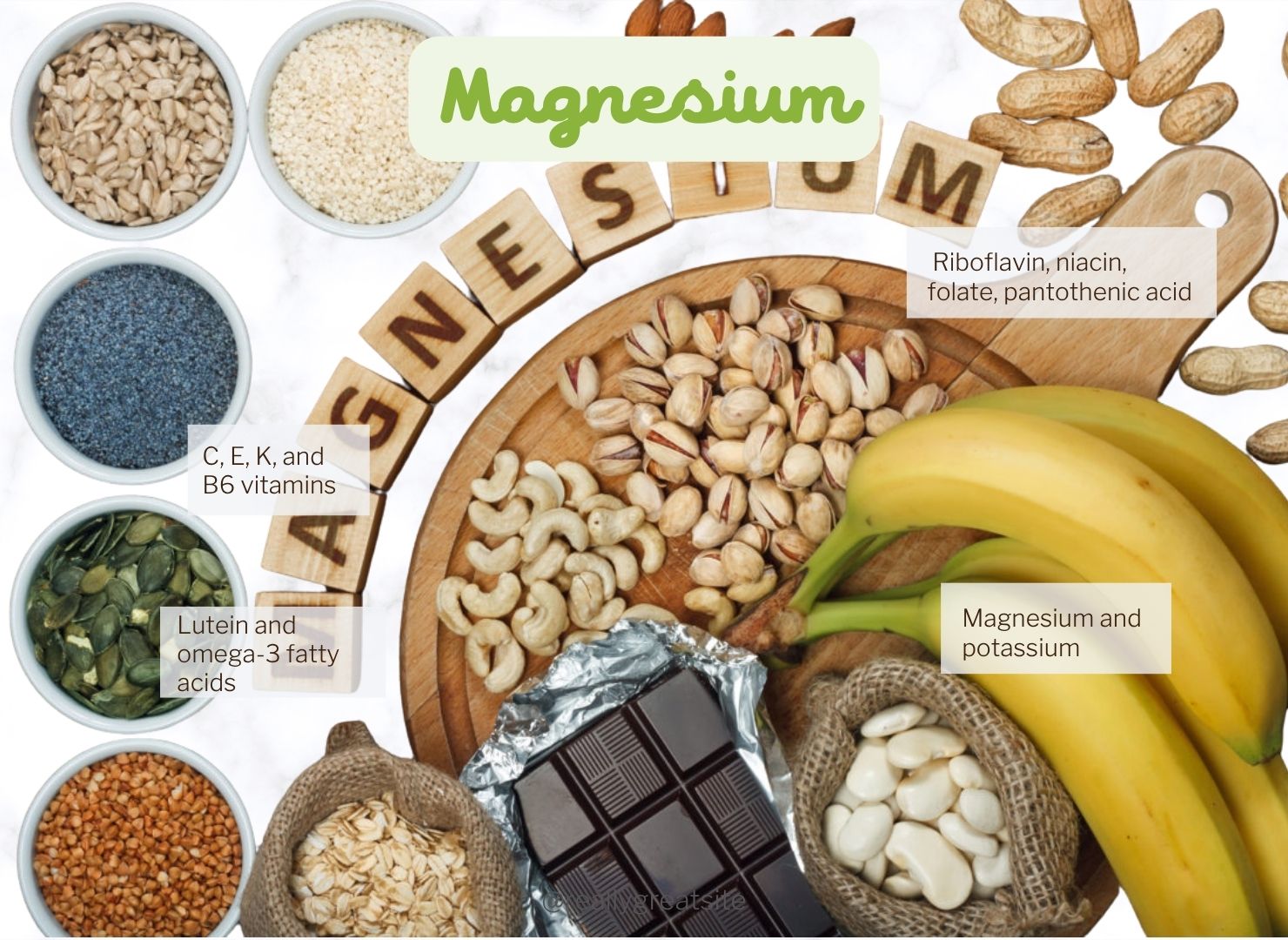
As we approach 2025, magnesium’s role in public health is gaining increasing importance. This mineral, often overlooked yet omnipresent in every cell of our body, now emerges as a key player in preventing disorders as varied as chronic fatigue, cardiovascular diseases, and neurological disorders. With over 600 biochemical reactions in which it participates, magnesium is much more than a simple dietary supplement: it represents a true pillar for the body’s balance.
In a world where stress and frantic rhythms have become the norm, the need for natural and effective support is vital. Magnesium, through its ability to regulate the nervous system and promote muscle relaxation, stands as a barrier against mental and physical fatigue. Today, numerous studies highlight that the majority of Western populations still suffer from insidious deficiencies, situations that could be largely avoided by adapting our eating habits and integrating more organic magnesium into our diet.
Beyond its energetic function, this nutrient also acts on blood pressure regulation and bone health, areas where its effects are particularly felt as the population ages. In this sense, magnesium constitutes a natural and powerful solution to support vitality at all stages of life, from youth to seniors. The challenge is clear: better understand magnesium, comprehend its strength, and know how to naturally source it from food to ensure lasting health.
Magnesium Health: Foundations and Functions in the Human Body
Magnesium is renowned for being an essential mineral found in significant quantities within our body. In 2025, its understanding goes beyond the simple notion of a trace element to establish itself as a true multifunctional physiological actor. Present in approximately 300 to 600 major enzymatic reactions, it becomes indispensable for cellular energy production, muscle contraction, nerve transmission, and protein synthesis.
Every cell in our body contains magnesium, with concentration primarily focused in bones and muscles. This distribution is not coincidental: it illustrates magnesium’s dual importance for bone structure and muscle function. This pure organic magnesium also plays a major role in heart rhythm regulation and neurotransmitter stabilization, ensuring perfect harmony between nervous and muscular activities.
Magnesium-Calcium-Potassium Balance: A Vital Trio
Health often depends on a subtle balance between several essential minerals. Magnesium works with calcium and potassium to maintain blood pressure and muscle tone. Magnesium, for example, helps modulate calcium’s effect, assisting muscle relaxation after contraction. This interaction is all the more crucial in maintaining stable heart rhythm and smooth neuromuscular function.
A magnesium deficiency can cause an imbalance that increases the risk of hypertension and heart rhythm disorders. Here, magnesium health proves essential not only for muscle strength but also for cardiovascular protection.
Effects on Different Biological Functions
- Energy conversion: Catalyst in glucose transformation into energy as ATP
- Nervous system function: Regulation of synaptic transmission and neurotransmitter balance
- Bone formation: Stimulation of calcium assimilation for optimal bone density
- Muscle support: Prevention of cramps and optimization of muscle performance
| Body Area | Main Magnesium Role | Impact of Deficiency |
|---|---|---|
| Bones | Maintaining bone density via calcium absorption | Increased osteoporosis risk and bone fragility |
| Muscles | Muscle relaxation and cramp prevention | Cramps, spasms, muscle weakness |
| Nervous System | Neurotransmitter balance and stress modulation | Anxiety, sleep disorders, irritability |
| Heart | Heart rhythm stabilization and blood pressure regulation | Hypertension, cardiac arrhythmias |
Essential Benefits of Magnesium & Well-being for Body and Mind
In 2025, understanding magnesium’s health benefits has been refined, highlighting its extended role in strengthening both physical and mental vitality. This mineral appears for many as a natural solution to address chronic stress, insomnia, and improve cognitive abilities.
Its power is particularly discovered in its action on maintaining restorative sleep. Natural magnesium acts directly on regulating neurotransmitters such as GABA, which promote relaxation and facilitate falling asleep. Most anxiety disorders can actually be alleviated through sufficient magnesium intake, which regulates the central nervous system.
Magnesium’s Strength Against Fatigue and Stress
Regular magnesium intake is synonymous with better stress management and strengthened emotional balance. The body uses this mineral to modulate cortisol production, the hormone responsible for stress response. This essential role helps avoid anxiety peaks and fight chronic fatigue.
- Improved stress management and decreased nervous hyperexcitability
- Promotes muscle relaxation allowing optimized recovery after physical effort
- Participates in synthesizing neurotransmitters involved in good mood and concentration
- Stimulates energy production at the cellular level, reducing exhaustion sensation
These advantages explain why magnesium is frequently recommended in nutritional programs aimed at strengthening mental health, complementing other natural treatments.
Positive Effects on Immune System and Inflammation
Magnesium also plays an important anti-inflammatory role. By contributing to reducing inflammation markers, it participates in reducing chronic disease risks, such as diabetes or cardiovascular diseases.
| Benefit | Action Mechanism | Impact Example |
|---|---|---|
| Oxidative stress reduction | Free radical neutralization | Decreased arterial inflammation |
| Immune support | Immune cell activation | Increased resistance to infections |
| Metabolic disease prevention | Improved insulin sensitivity | Blood sugar control |
Magnesium Deficiencies: Symptoms, Consequences and At-Risk Populations
Today, in the full era of magnesium health, it remains crucial to understand that insufficiency in this mineral is still too frequent. For 2025, data shows that nearly 75% of adults don’t meet their daily needs, a state that creates minor to severe deficits over time.
Symptoms of magnesium deficiency, or hypomagnesemia, often manifest as prolonged fatigue, recurring cramps, mood disorders, and sleep disturbances. This clinical picture can evolve toward more serious complications like hypertension or cardiac conduction disorders.
Particularly Vulnerable Groups
- Elderly people, whose digestive absorption decreases with age
- Diabetic patients, faced with increased renal magnesium losses
- Alcoholics, in whom magnesium metabolism is severely disrupted
- People suffering from gastrointestinal disorders, hindering intestinal assimilation
Medical monitoring proves essential for these populations, particularly in cases of recurring symptoms where supplementation may be indispensable.
| Deficiency Symptoms | Associated Mechanisms | Risk Incurred |
|---|---|---|
| Chronic fatigue | Decreased energy synthesis | Impaired physical and intellectual performance |
| Muscle cramps | Ionic imbalance | Pain and muscle injury risks |
| Anxiety and irritability | Nervous hyperactivity | Sleep disorders and depression |
| Hypertension | Vascular rigidity | Increased cardiovascular event risk |
Best Natural Sources for Optimal Nature Magnesium
To maintain optimal magnesium balance, diet remains the most natural way to strengthen reserves. In 2025, the trend clearly leans toward foods rich in organic magnesium, promoting sustainable magnesium vitality and overall well-being.
Essential Magnesium-Rich Foods
- Nuts: almonds, Brazil nuts, cashews – rich in magnesium and good fats
- Seeds: pumpkin seeds, chia – rich in fiber and micronutrients
- Whole grains: quinoa, oats, whole wheat offering stable and prolonged intake
- Green vegetables: spinach, kale, broccoli, which also provide antioxidants
- Fruits: bananas, avocados – natural sources for energy and recovery
- Dark chocolate: with over 70% cocoa, also rich in flavonoids
- Fatty fish: salmon, mackerel, tuna providing omega-3s and magnesium
| Food | Average Magnesium Content (mg/100g) | Recommended Use |
|---|---|---|
| Almonds | 270 | Ideal for healthy snacking |
| Pumpkin seeds | 262 | Perfect for salads or baking |
| Spinach | 79 | Best consumed cooked for better intake |
| Bananas | 27 | Good source of quick energy |
| Dark chocolate (70% cocoa) | 228 | To be enjoyed in moderation |
Magnesium Plus: When and Why to Consider Dietary Supplements
Despite a balanced diet, certain individuals require additional magnesium plus intake. This necessity may stem from physiological factors, pathological conditions, or particularly stressful lifestyles.
Indications for Magnesium Supplementation
- Intense and chronic fatigue not controlled by classical diet
- Significant stress with sleep disorders or persistent anxiety
- Regular sports practices with increased muscle recovery needs
- Diagnosed deficiencies detected by a healthcare professional
It’s essential to prioritize organic magnesium, meaning from natural and bioavailable sources, to ensure optimal assimilation and avoid side effects. Recommended forms include magnesium citrate, bisglycinate, or magnesium chloride.
Magnesium Vitality for Optimal Muscle and Sports Performance
Magnesium is a widely acclaimed ingredient in sports for its beneficial effects on muscle function and recovery. In 2025, sports science confirms its interest in preventing injuries, reducing cramps, and optimizing endurance.
Magnesium’s Key Role on Muscles
Magnesium’s potential lies not only in muscular effort but also in post-exercise recovery. This mineral acts as a muscle contraction regulator, helping to relax fibers after intense effort.
- Muscle cramp reduction: Decreases spasms and associated pain
- Improved joint flexibility: Maintains flexibility
- Better recovery promotion: Facilitates tissue repair and reduces muscle fatigue
- Performance support: Promotes efficient energy production during prolonged efforts
| Magnesium Effect | Description | Sports Benefit |
|---|---|---|
| Muscle relaxation | Managing ionic balance in muscle cells | Cramp reduction, injury prevention |
| Mitochondrial energy production | Facilitating ATP conversion | Increased endurance |
| Nervous support | Optimized synaptic transmission | Better motor coordination |
Magnesium & Well-being: Synergy with Other Natural Remedies
Magnesium advantageously combines with several other natural extracts to optimize its effects on mental and physical health. It’s notably paired with natural anti-stress remedies to strengthen relaxation and serenity.
A striking example is the magnesium-ashwagandha combination, a duo acclaimed by many specialists in 2025 for improving sleep quality, reducing anxiety, and promoting overall well-being. This alliance rests on ashwagandha’s benefits, a powerful adaptogenic plant, and magnesium balance that stabilizes nervous function.
- Sleep improvement through potential relaxation synergy
- Stress and anxiety reduction through stress hormone modulation
- Immune system strengthening through magnesium’s anti-inflammatory action
- Cognitive capacity and memory optimization
Practical Tips for Maintaining Optimal Daily Magnesium Balance
Taking care of magnesium balance requires a methodical approach combining rich diet, stress management, and possibly adapted supplements. In 2025, practical advice for maintaining sustainable magnesium strength includes simple but effective steps.
- Vary food sources by prioritizing nuts, seeds, and green vegetables
- Consume magnesium-rich mineral water like Hépar or Contrex
- Avoid excess caffeine and alcohol that promote magnesium elimination
- Integrate relaxation periods to limit stress-induced magnesium consumption
- Evaluate needs with a healthcare professional to consider magnesium plus supplementation if necessary
| Tip | Why | Impact on Magnesium Balance |
|---|---|---|
| Varied magnesium-rich diet | Provides continuous and natural intake | Maintains body stores |
| Stress management | Reduces cortisol-induced magnesium losses | Preserves magnesium strength |
| Drinking magnesium-rich water | Natural supplement without calories | Increases daily intake |
| Limiting stimulants | Reduces kidney magnesium elimination | Improves body magnesium conservation |
Frequently Asked Questions About Essential Magnesium in 2025
What are the signs of magnesium deficiency?
Persistent fatigue, muscle cramps, sleep disorders, anxiety, and palpitations may indicate magnesium deficiency.
How to naturally increase magnesium intake?
Prioritize a diversified diet with nuts, green vegetables, whole grains, and integrate magnesium-rich water.
Can magnesium help against stress?
Yes, because it regulates stress-related hormones and promotes muscle and mental relaxation.
What magnesium supplements to choose?
Bioavailable forms like citrate, bisglycinate, or magnesium chloride are recommended for good assimilation.
Is magnesium suitable for athletes?
Absolutely, it helps muscle recovery and cramp prevention, improving overall performance.

Food safety researcher and editorial contributor specializing in microbial pathogen control, commercial hygiene compliance, and regulatory audits.
Related Regulatory Guidance

Safe Cooking Temperatures: A Simple Guide for Everyday Meals
For years, home cooks relied on old kitchen adages to check if dinner was done: “poke the steak…

10 Essential Food Safety Tips Every Home Cook Should Know
A few years ago, after a long workday, I took a pack of raw chicken breasts out of…