The Benefits of Mashroom for Your Health in 2026

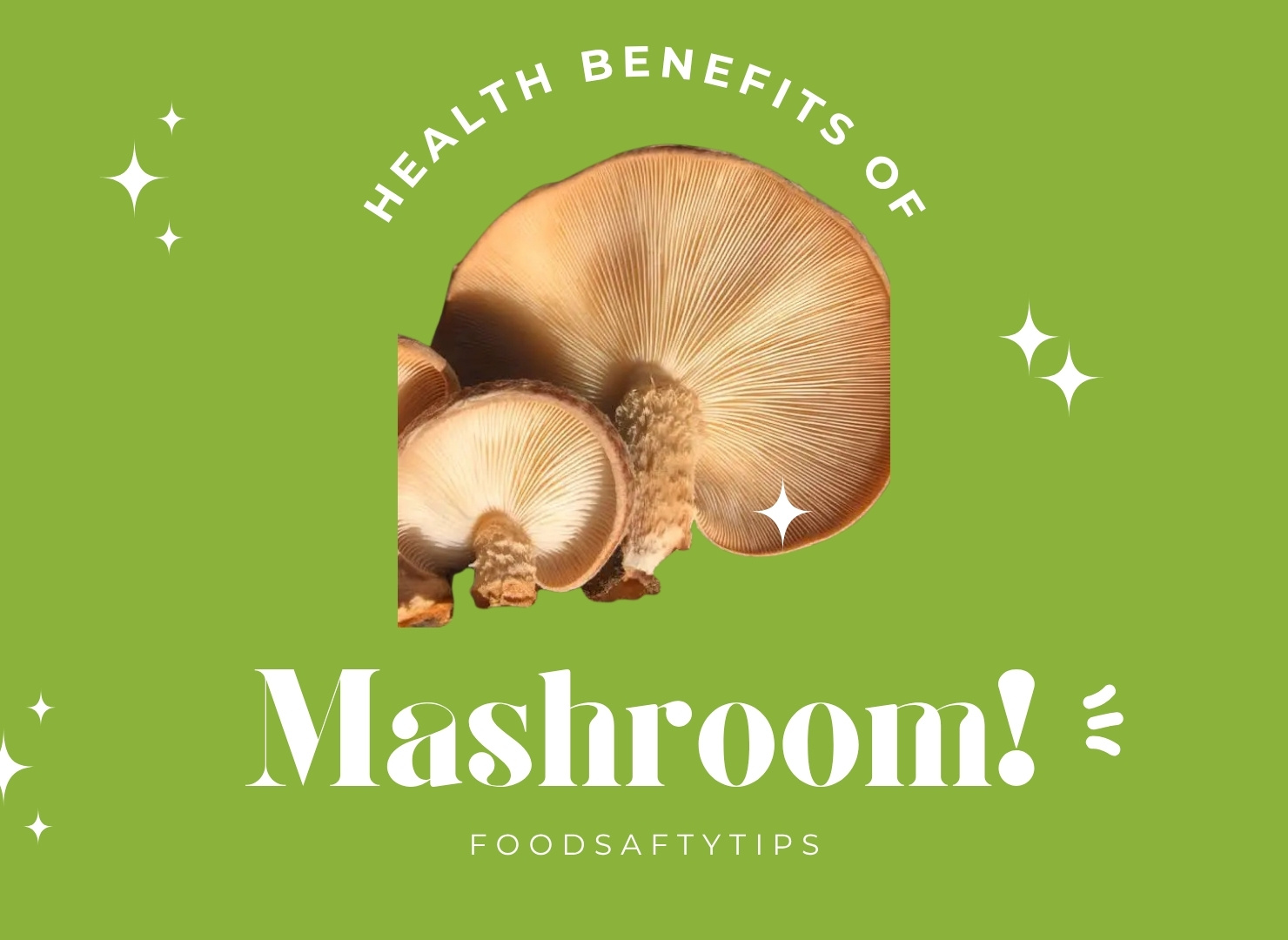
Mashroom, originating from Asia and recognized for millennia in traditional medicine, emerges in 2026 as an essential ally for natural health. A true gem of fungal biodiversity, this mushroom is much more than a simple culinary ingredient: it embodies a genuine concentrate of benefits. Unique in its nutritional richness and bioactive compounds, it helps support the body against contemporary challenges. At a time when vitality and balance are sought to face the demands of the modern world, Mashroom offers a natural source of energy and tone, combining flavor and well-being. Often nicknamed the “longevity mushroom,” its essence acts on the immune system, blood circulation, and the fight against oxidative stress.
In 2026, scientific research confirms and refines our understanding of its virtues, highlighting protective effects on cardiovascular health, lipid metabolism, as well as anti-inflammatory and antitumoral actions. Naturally, Mashroom becomes much more than a simple superfood: it integrates into global health strategies, where nutrition and phytotherapy coexist harmoniously. In this article, we will delve into the subtle balance between nutritional properties and therapeutic benefits, answering essential questions about its consumption, traditional uses, and precautions to observe.
Characteristics and Nutritional Composition
Mashroom (Lentinula edodes) is an edible mushroom originating from the Far East, particularly Japan and China, cultivated for over two millennia. Also called “oak lentin,” it grows naturally on decomposing hardwood trunks, giving it a woody flavor and firm texture. In 2026, Mashroom is recognized for its high nutritional density, a true alloy of elements essential for proper body functioning.
Detailed nutritional composition per 100g of organic Mashroom:
| Nutrient | Value | Key Role |
|---|---|---|
| Energy | 316 kcal (1330 kJ) | Moderate caloric intake for vitality without excess |
| Fats | 1 g | Limited, mainly unsaturated |
| Carbohydrates | 63.9 g | Source of fiber and sustained energy |
| Dietary fiber | 11.5 g | Promotes transit and satiety, glycemic control |
| Plant proteins | 9.6 g | Partially covers essential needs |
| Copper | 5.2 mg | Antioxidant, immune tone |
| Vitamin B5 | 21.9 mg | Fatigue reduction, brain function |
| Vitamin D | Variable amount | Bone health support, especially in winter |
These values confirm Mashroom as a balanced energy source, rich in fiber, plant proteins, and vital trace elements. Its copper richness contributes to active cellular protection against free radicals, a precious characteristic in 2026 against ambient oxidative stress.
Therapeutic Properties
Mashroom surpasses its simple food function thanks to bioactive compounds studied and valued in modern phytotherapy. The alliance between polysaccharides, notably beta-glucans (like lentinan), eritadenine, and ergothioneine, gives Mashroom remarkable virtues at the cellular and immune levels.
Immune system strengthening: The polysaccharides present in Mashroom reinforce immune function by stimulating the activity of macrophages, T lymphocytes, and cytokines involved in natural defense. This bioactive stimulation allows better response to microbial and viral attacks.
Anti-cancer effects and prevention: The anti-tumor activity of lentinan is part of Mashroom’s very essence. A study conducted on patients treated for breast cancer showed that a standardized beta-glucan extract improves general condition and stimulates immune defenses.
Cardiovascular Health Impact
Thanks to its richness in active compounds such as eritadenine and beta-glucans, Mashroom plays an important hypocholesterolemic role. These molecules not only promote cholesterol elimination via bile but also improve blood lipid composition by reducing LDL, commonly called “bad cholesterol.”
Consumption and Safety
Mandatory cooking precautions: A toxin called lentin, contained in raw or insufficiently cooked Mashroom, can cause toxic dermatitis. For this reason, it must be cooked for at least 20 minutes thoroughly, whether fresh or dried.
Recommended daily dose:
- Fresh: 100-150g per portion
- Dried: 5-10g per day
- Powder: 3-6g per day (1-2 teaspoons)
Contraindications
Mashroom is contraindicated for people with hypereosinophilia, mushroom allergies, pregnant or breastfeeding women, and those on anticoagulant treatment. It should also be avoided before or after surgical procedures due to potential effects on coagulation.

Food safety researcher and editorial contributor specializing in microbial pathogen control, commercial hygiene compliance, and regulatory audits.
Related Regulatory Guidance
Safe Cooking Temperatures: A Simple Guide for Everyday Meals
For years, home cooks relied on old kitchen adages to check if dinner was done: “poke the steak…

10 Essential Food Safety Tips Every Home Cook Should Know
A few years ago, after a long workday, I took a pack of raw chicken breasts out of…
Leave a Reply