Blackcurrant in USA [9+ Benefits, Side Effects, Nutrients, Price]

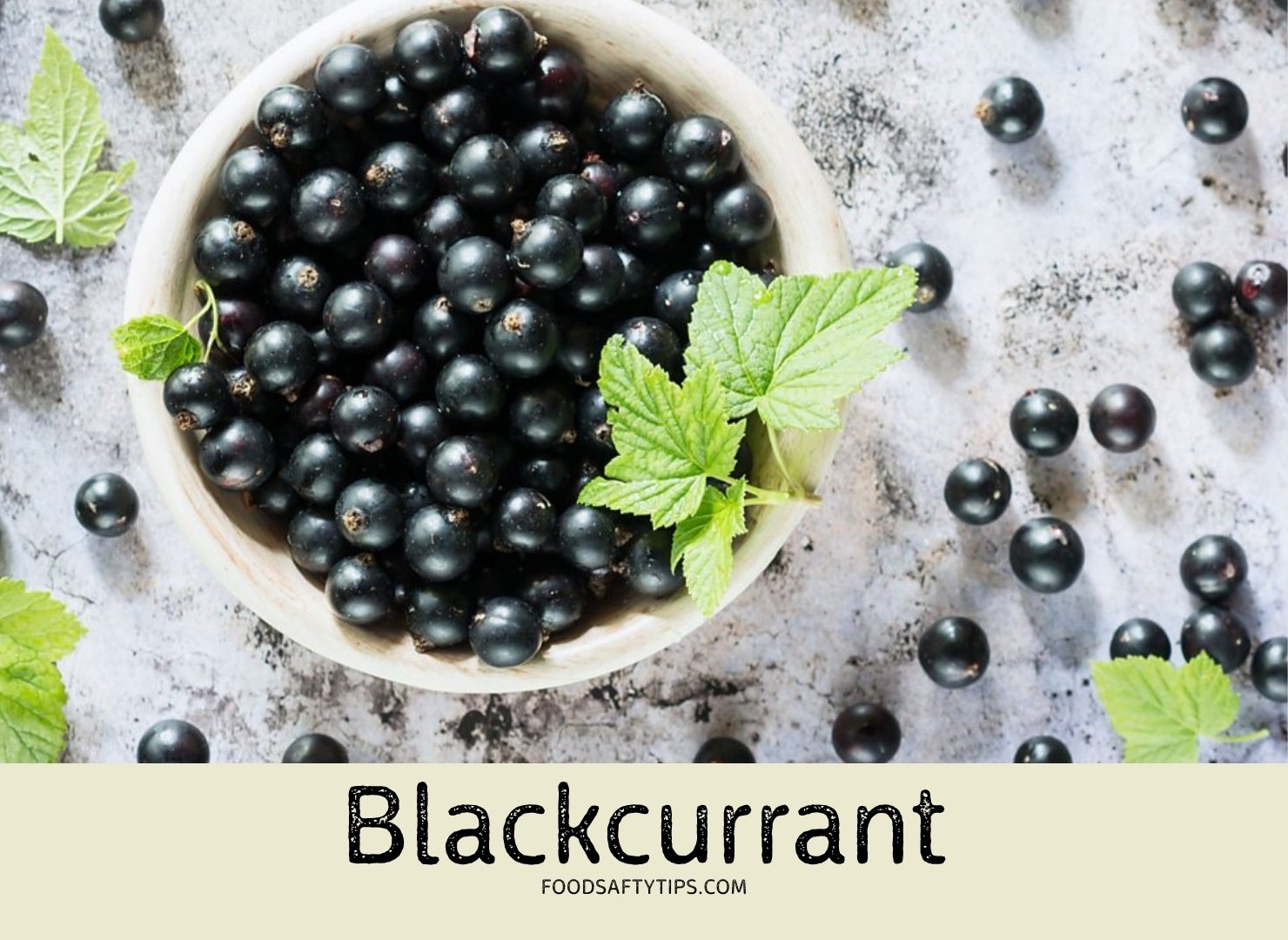
Blackcurrants in the USA may not be as common as blueberries or raspberries, but they are gaining popularity due to their powerful health benefits and use in juices, jams, desserts, and even dietary supplements. While blackcurrants were once restricted in the U.S., today you can find them in specialty stores, farmers’ markets, and online. This article covers their nutrition, health benefits, possible side effects, availability, recipes, and price in the United States.
Blackcurrant Overview
| English Name | Blackcurrant |
| Binomial Name | Ribes nigrum |
| Kingdom | Plantae |
| Genus | Ribes |
| Order | Saxifragales |
| Family | Grossulariaceae |
| Species | R. nigrum |
Blackcurrant Nutrients
Here’s the nutritional value of blackcurrants per 100 g serving:
| Nutrient | Quantity |
|---|---|
| Energy | 264 kJ (63 kcal) |
| Carbohydrates | 15.4 g |
| Fat | 0.4 g |
| Protein | 1.4 g |
Vitamins & Minerals
| Vitamin C | 218% (181 mg) |
| Vitamin E | 7% (1 mg) |
| Vitamin B6 | 5% (0.066 mg) |
| Pantothenic acid (B5) | 8% (0.398 mg) |
| Calcium | 6% (55 mg) |
| Iron | 12% (1.54 mg) |
| Magnesium | 7% (24 mg) |
| Phosphorus | 8% (59 mg) |
| Potassium | 7% (322 mg) |
| Manganese | 12% (0.256 mg) |
| Zinc | 3% (0.27 mg) |
Types of Blackcurrant
There are two main types of blackcurrants available:
- European Blackcurrant (Ribes nigrum) – Native to Northern Europe and Asia, commonly used for juices, jams, and supplements.
- American Blackcurrant (Ribes americanum) – Native to North America, also called “wild blackcurrant,” found in certain regions of the USA.
Side Effects of Blackcurrant
While blackcurrants are packed with nutrients, overconsumption or certain health conditions may lead to side effects:
- May cause allergic reactions in sensitive individuals.
- Can interfere with blood clotting due to Vitamin K content (not ideal for those on blood-thinning medication).
- May lower blood pressure – caution for people already on hypertension medication.
- High vitamin C levels may cause mild digestive discomfort if consumed excessively.
Benefits of Blackcurrant
- Extremely high in Vitamin C, a powerful antioxidant that boosts immunity.
- Anti-inflammatory properties may help reduce swelling and joint pain.
- Supports brain health and cognitive function.
- May improve digestion and gut health.
- Helps strengthen bones and muscles.
- May have antiviral, antimicrobial, and antiseptic properties.
- Potential anti-cancer effects (ongoing research).
Availability of Blackcurrants in the USA
Blackcurrants were banned in the U.S. for much of the 20th century due to concerns about plant diseases. However, today they are legally grown in many states and are increasingly available in farmers’ markets, health food stores, and online retailers. You’ll also find them in products such as juices, syrups, jams, and dietary supplements year-round.
Popular Blackcurrant Recipes in the USA
Some popular ways to enjoy blackcurrants in the USA include:
- Blackcurrant jam or jelly spread on toast.
- Fresh blackcurrant smoothies.
- Blackcurrant syrup used in cocktails and mocktails.
- Homemade blackcurrant ice cream or sorbet.
- Baked goods such as muffins or pies with blackcurrants.
Price of Blackcurrants in the USA
The price of fresh blackcurrants in the USA typically ranges from $6 to $10 per pound, depending on location and season. Frozen blackcurrants and blackcurrant products (like jam or syrup) are often more affordable and widely available online.
Conclusion
Blackcurrants in the USA are a nutrient powerhouse, loaded with antioxidants, vitamins, and health benefits. Though less common than other berries, they are making a comeback in American diets. Whether eaten fresh, blended into smoothies, or enjoyed as a jam, blackcurrants are a superfruit worth adding to your diet.
FAQ
Do blackcurrants taste bitter?
Blackcurrants have a tart, tangy, and slightly sweet flavor. They are more sour than blueberries but work well in jams, juices, and baked goods.
Are blackcurrants expensive?
Yes, compared to other berries, blackcurrants can be pricier in the U.S., but frozen and powdered versions are often more affordable.
Should I worry about side effects?
Generally, no. However, if you’re taking blood-thinning or blood-pressure medication, consult your doctor before consuming large amounts of blackcurrants.

Food safety researcher and editorial contributor specializing in microbial pathogen control, commercial hygiene compliance, and regulatory audits.
Related Regulatory Guidance

Safe Cooking Temperatures: A Simple Guide for Everyday Meals
For years, home cooks relied on old kitchen adages to check if dinner was done: “poke the steak…

10 Essential Food Safety Tips Every Home Cook Should Know
A few years ago, after a long workday, I took a pack of raw chicken breasts out of…