How to Keep Your Immune System Strong to Reduce Surgical Risks

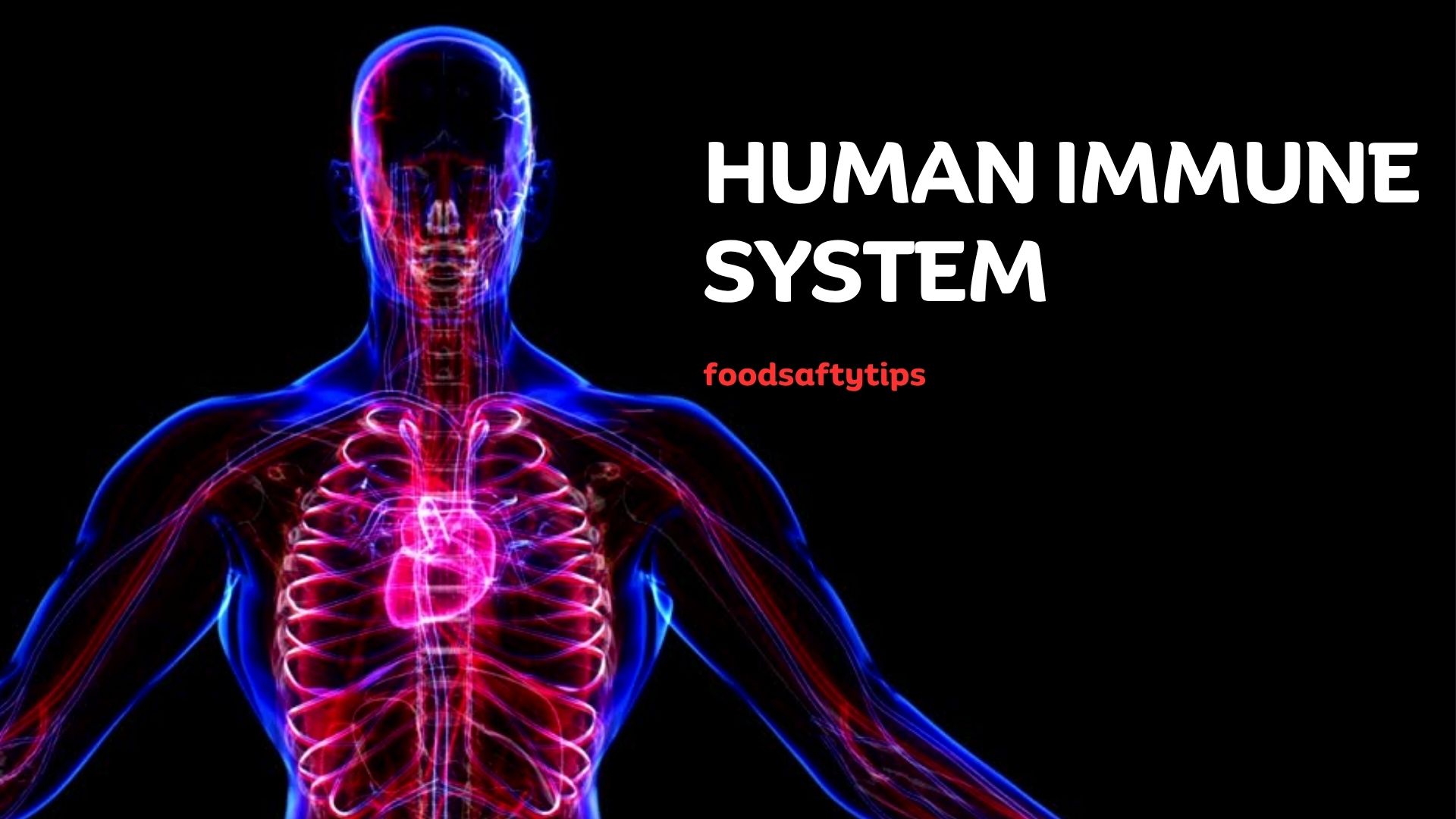
Surgery may seem daunting, whether it is a minor one or a major one. Aside from your surgeon’s hand and the hospital environment, your body also possesses a great defense: the immune system. If it is in top condition, recovery is quicker, risks are minimized, and your body can handle stress better. But if it is not, even minor procedures become a challenge.
That is why learning how to maintain your immune system in top condition before surgery isn’t only intelligent, it’s critical. In this guide, we will discuss how to keep your immune system strong and healthy to reduce surgical risks.
Why The Immune System Matters Before Surgery
Your body is subjected to controlled trauma, bacterial exposure, and tissue stress when you are operated on. You are at a higher risk of infections, delayed healing, and post-surgery complications when your defense system is weakened. A strong defense system, on the other hand, has your body healing rapidly.
This is why building immunity is as important as skilled physicians and sanitized surgical instruments. The two are complementary: outside help from your healthcare professionals, and inside assistance from your immune system.
Understanding this is the most important thing. Once you know why immunity is so vital, next you need to know how nutrition becomes your body’s first line of defense in preparing for surgery.
Building Immunity with Nutrition
What you eat is not just energy; it’s what your body uses to repair and heal itself. Certain foods build immunity and speed up healing. For example:
● Protein foods (chicken, fish, beans) repair tissue.
● Vitamin C foods (oranges, berries, peppers) boost white blood cells.
● Zinc foods (nuts, seeds, shellfish) close wounds.
● Leafy greens offer antioxidants that combat inflammation.
Eating in this way conditions your body for the stress of surgery. Nutrition alone is not sufficient, though; your body also depends heavily upon water to transport these nutrients to where they are needed most.
Hydration and Healing Potential
Water is commonly undervalued, but it is crucial to recovery from surgery. Adequate hydration nourishes circulation, transports nutrients, and enables immune cells to work at full capacity. Mild dehydration can make healing more difficult and raise the risk of complications.
In the pre-op days, work toward consistent hydration. Small, frequent sips are a better approach than gulping down water all at once. Electrolyte-rich beverages such as coconut water are beneficial, particularly if fasting is involved.
Hydration lays the groundwork, but your body also requires time to replenish itself. This leads us to one of the most critical steps.
Sleep as Your Body’s Natural Defense
Sleep is when the body goes into repair mode. Deep rest enables the immune system to accumulate infection-fighting cells and repair tissues. Without regular sleep, your body goes into surgery weaker and recovers slowly afterwards.
Having a regular sleep routine at least two weeks prior to surgery provides your body with the rhythm it requires. Even day naps restore strength if full nights are not possible.
Despite this, sleep alone is not enough. Emotional well-being is as important as physical well-being, so stress management is another critical component of immunity enhancement.
Stress Management To Support Recovery
Stress does more than just get into your head; it suppresses your immune system’s response. When stress hormones such as cortisol increase, your body becomes less effective at fighting off infections. Before going into a surgery room, make sure you are not extremely stressed out. Various types of distractions can assist with that.
Simple habits like meditation, relaxation breathing exercises, or even peaceful walks help ease stress. Honest discussion with your doctor about concerns also helps alleviate anxiety.
Following stress reduction, your body is able to focus more energy on healing. Merging serenity with gentle exercise provides the perfect balance of immune strength.
The Role of Gentle Exercise
Exercise does not necessarily need to be strenuous in order to function. Even moderate walking, stretching, or yoga gets the blood flowing, strengthens the lungs, and supports immune function. Enhanced circulation translates to nutrients and oxygen reaching healing tissue sooner.
Giving Up Smoking And Alcohol
Reducing the amount of smoking and alcohol drinking can make a huge impact on the preparation of your body for surgery. Smoking cuts down on the amount of oxygen going to the tissue, and alcohol impairs healing and lowers immunity. Both raise the level of infection and complication risk during and after surgery.
Even reducing these habits prior to surgery provides your immune system with an even fighting chance.
And after dangerous habits are in check, it is a comfort to have a quick list of things to do to remain focused, leading up to surgery.
Pre-Surgery Immunity Checklist
Use this checklist to stay on track before surgery:
● Eat a nutrient-rich diet full of protein, vitamins, and minerals.
● Drink plenty of water and electrolyte-based fluids.
● Sleep 7–8 hours every night.
● Practice breathing, meditation, or relaxation stress reduction.
● Include gentle daily exercise.
● Avoid smoking and drinking.
With all of these steps in place, remember that recovery is a partnership between your healthy body and the precision of sterile surgical instruments in the operating room.
Now, let’s wrap things up with the final thoughts.
Final Thoughts
Preparation for surgery requires more than just showing up on the day. It starts with how you look after your body in advance. Keeping your immune system healthy lowers risks, reduces infections, and ensures a smoother recovery.
The good news is that you do not need to make drastically different choices. Not consuming junk, drinking water, sleeping, and managing stress all help make you stronger. Breaking up bad habits gives your body even more room to heal.
When those healthy decisions come with advanced medical care and sanitized surgery instruments, the results are that much more secure. It’s a symbiotic relationship. Your body becomes healthier as medicine becomes more exact. They both create a better healing environment.
FAQs
How early should I prepare my immunity for surgery?
It is good to begin preparation at least 2–4 weeks prior to your operation. Doing this gives your body enough time to acclimatize and enhance its defense mechanisms. Consistency is the key, and even some minor daily routines can play a significant role.
Can dietary preparation prepare my immune system for surgery?
Diet forms the foundation for immune resistance, but it cannot work by itself. Resting, rehydrating, and managing stress also enter into the recovery process. Combined, these regimes provide your body with its best protection.
Does stress actually have an impact on surgical recovery?
Yes, stress really does affect healing and immunity directly. High levels of cortisol make the body vulnerable to infection and impede repair. Relaxation techniques such as meditation or deep breathing enhance recovery rates.
What reduces the risk of infection following surgery?
Risk of infection is minimized when you adhere to your doctor’s wound care plan in meticulous detail. Washing your environment and hands in addition is an extra precaution. Proper sleeping, drinking, and eating then facilitate healing internally.

Food safety researcher and editorial contributor specializing in microbial pathogen control, commercial hygiene compliance, and regulatory audits.
Related Regulatory Guidance

How To Invest In Your Oral Health
Investing in your oral health is one of the best things you can do to ensure your long-term…

What’s Causing Your Chronic Pain? Here’s How To Find Out
If you have chronic pain, it can be hard to know who to turn to. You don’t always…